Publications & Books
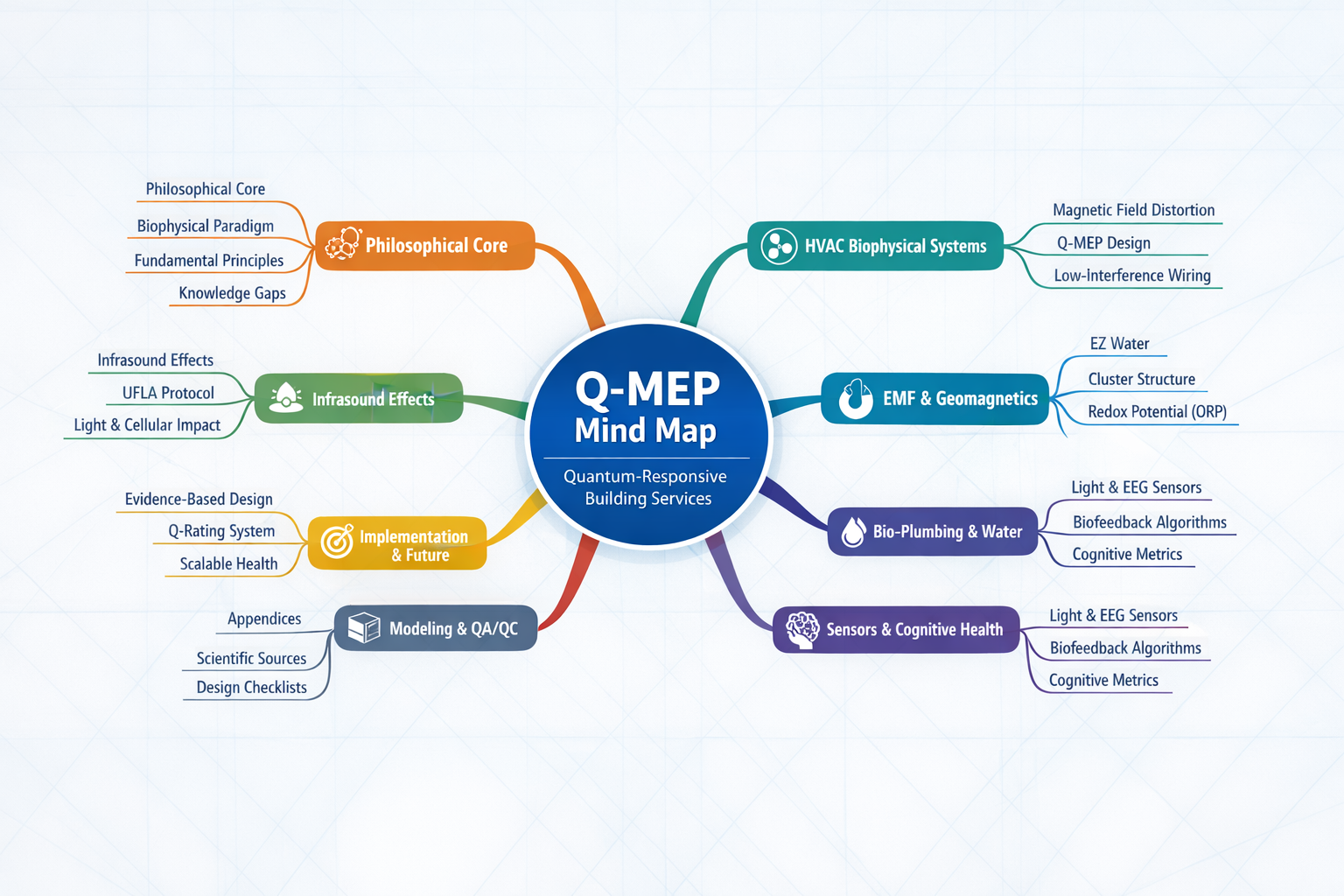
Q-MEP: Quantum-RQ-MEPesponsive Building Services:
Design Guidelines for Biophysically Tunable Smart Environments

Book Overview & Objectives
This seminal work introduces the Q-MEP (Quantum-Responsive Building Services) framework, a revolutionary approach that bridges the gap between mechanical engineering and human biology. Unlike traditional standards that focus solely on thermal comfort, this book provides a blueprint for designing environments that actively enhance cognitive function, emotional balance, and long-term well-being. It serves as a comprehensive guide for transitioning from conventional efficiency-centric design to a purpose-driven, value-oriented engineering mission.
Table of Contents (Main Chapters)
-
The Philosophy of Quantum-Responsive Design: Moving from material success to social value.
-
Biophysical Building Intelligence: Understanding the interaction between humans and engineered environments.
-
HVAC Systems as Architects of Health: Advanced air and climate control beyond ASHRAE basics.
-
Lighting & Neural Peace: Designing for circadian stability and cognitive flourishing.
-
Quantum Grounding & EMF Mitigation: Specialized electrical protocols for sensitive spaces.
-
Acoustic Alchemy: Mastering low-noise plumbing and frequency-tuned isolation.
-
The Q-Rating System: A new global standard for certifying biophysically smart buildings.
Key Highlights & Technical Insights
-
The UFLA Protocol: Strategies for mitigating Ultra-Low Frequency Infrasound in mechanical systems.
-
Biophotonic Lighting Design: Guidelines for achieving 480 nm peak intensity for optimal human circadian health.
-
Quantum Grounding Network: A proprietary electrical shielding methodology to minimize electromagnetic interference (EMI) on the human nervous system.
-
Seamless Infrastructure: Implementation of zero-vibration plumbing and high-precision MEP integration.
Target Audience
-
Lead Mechanical & MEP Engineers seeking to pioneer next-generation building services.
-
Sustainability Consultants & Architects focused on high-performance, healthy building certifications.
-
BIM Managers & Smart City Developers looking for advanced biophysical integration protocols.
-
Health-Conscious Investors and developers of premium laboratories, workplaces, and luxury residential projects.
BSL-3:
Design, Construction, and Operation Of Biosafety Level 3 Laboratories
Book Overview & Objectives
This comprehensive guide provides an authoritative roadmap for the Design, Construction, and Operation of Biosafety Level 3 (BSL-3) Laboratories. As global health challenges evolve, the demand for high-containment facilities has never been greater. This book transitions from theoretical biosafety concepts to practical, field-ready engineering solutions. It integrates international standards (including WHO, NIH, and ASHRAE) to ensure that these critical environments are not only secure and compliant but also optimized for long-term operational resilience and researcher safety.
Table of Contents (Main Chapters)
-
Introduction to High-Containment Environments: Understanding Risk Group 3 pathogens.
-
Architectural Requirements: Zoning, directional airflow, and pressure decay testing.
-
HVAC & Filtration Systems: Deep dive into HEPA filtration, redundant exhaust, and BIM integration.
-
Plumbing & Decontamination: Effluent Decontamination Systems (EDS) and sterilized piping.
-
Electrical & Control Systems: Critical power backup and advanced building automation (BAS).
-
Testing & Commissioning (T&C): Validation protocols and international certification readiness.
-
Sustainable Lab Design: Balancing high-energy ventilation with LEED/BREEAM efficiency.
Key Highlights & Technical Insights
-
Dynamic Pressure Control: Advanced strategies for maintaining precise negative pressure differentials.
-
Redundancy Protocols: Designing "No-Single-Point-of-Failure" systems for mission-critical ventilation.
-
Decontamination Methodologies: Engineering considerations for VHP (Vaporized Hydrogen Peroxide) sterilization.
-
Integrated Safety Systems: Seamless alignment between fire safety, security, and biosafety protocols in a BSL-3 environment.
Target Audience
-
MEP Consultants & Lead Designers specializing in healthcare and pharmaceutical infrastructure.
-
Biosafety Officers & Lab Managers responsible for facility compliance and risk mitigation.
-
General Contractors & Project Managers involved in high-tech laboratory construction.
-
Engineering Students & Researchers seeking a technical foundation in biocontainment engineering.
AI-Powered Cleanroom Facility Design:
From Basics to Innovation Kindle Edition
Book Overview & Objectives
This pioneering book explores the transformative role of Artificial Intelligence (AI) in Cleanroom Engineering. As industries like semi-conductors and pharmaceuticals demand unprecedented levels of precision, traditional design methods are no longer sufficient. This guide provides a comprehensive framework for integrating AI-driven predictive modeling, real-time environmental control, and autonomous energy optimization into cleanroom facilities. It serves as a bridge between foundational cleanroom principles and the future of Industry 4.0, ensuring facilities are smarter, more efficient, and highly resilient.
Table of Contents (Main Chapters)
-
Cleanroom Fundamentals: Evolution from traditional to AI-integrated facilities.
-
AI Algorithms in HVAC: Using Machine Learning for precise airflow and pressure control.
-
Predictive Maintenance: Leveraging AI to anticipate system failures and contamination risks.
-
Energy Optimization: Neural networks for reducing the carbon footprint of high-energy cleanrooms.
-
Real-Time Monitoring & IoT: Integration of smart sensors and automated response systems.
-
Case Studies: Success stories of AI implementation in microelectronics and biotech labs.
-
Future Trends: The roadmap towards fully autonomous "Lights-Out" cleanrooms.
Key Highlights & Technical Insights
-
Reinforcement Learning for Airflow: Strategies for optimizing Air Changes per Hour (ACH) based on real-time occupancy and particle load.
-
Anomaly Detection Systems: Advanced AI models for detecting minute fluctuations in humidity and pressure before they breach ISO standards.
-
Digital Twin Integration: Creating virtual replicas of cleanrooms for risk-free simulation and testing.
-
Smart Filtration Management: AI-driven scheduling for HEPA/ULPA filter replacements based on performance data rather than fixed intervals.
Target Audience
-
Cleanroom Designers & MEP Engineers looking to integrate smart technologies into their projects.
-
Facility Managers aiming to reduce operational costs and energy consumption through AI.
-
Data Scientists & Tech Innovators interested in Industrial IoT and automated controlled environments.
-
Operations Directors in the Pharmaceutical, Semi-conductor, and Aerospace industries.
Smart Energy Hubs for a Clean Future:
Powering Tomorrow with Smart Solutions
Book Overview & Objectives
As the world transitions toward a net-zero economy, the traditional centralized energy model is being replaced by intelligent, localized, and resilient systems. This book provides a comprehensive strategic framework for Smart Energy Hubs, which serve as the backbone of 21st-century sustainable infrastructure. Unlike conventional power systems, these hubs integrate multi-carrier energy sources—including Green Hydrogen, Solar, and Wind—with advanced AI and IoT-driven management.
The objective of this work is to bridge the gap between modular engineering and intelligent grid integration. It explores how decentralization, coupled with energy storage and smart-sector coupling, can solve the intermittency of renewables. By focusing on real-world implementations and future-proof technologies like the Hydrogen economy, this book serves as a roadmap for engineers and policymakers to design energy systems that are not only carbon-neutral but also economically viable and socially transformative.
Table of Contents (Main Chapters)
-
The Era of Energy Transformation: Transitioning from traditional grids to smart hubs.
-
Modular Infrastructure & Design: Engineering flexibility into energy systems.
-
Smart Technologies & AI Integration: The role of IoT and Machine Learning in energy management.
-
Renewable Synergy: Harmonizing Solar, Wind, and Energy Storage Systems (ESS).
-
The Green Hydrogen Revolution: Production, storage, and the future of H2 hubs.
-
Economic & Environmental Impact: Analyzing the ROI and carbon mitigation of smart hubs.
-
Global Case Studies: Lessons learned from pioneering projects like Smart Grid Gotland.
Key Highlights & Technical Insights
-
Multi-Carrier Energy Coupling: Techniques for integrating electricity, heat, and gas networks into a single optimized hub.
-
Green Hydrogen Integration: Detailed protocols for utilizing hydrogen as a long-duration energy storage medium.
-
Demand-Side Management (DSM): AI-driven strategies for balancing load and supply in real-time.
-
Modular Scaling: Engineering guidelines for designing "Plug-and-Play" energy modules for urban and industrial applications.
Target Audience
-
Energy Engineers & Grid Modernization Specialists focused on renewable integration.
-
Sustainability Policy Makers looking for technical roadmaps for net-zero cities.
-
Infrastructure Developers interested in modular and decentralized energy solutions.
-
Researchers & Students in the fields of Clean Tech, Smart Grids, and Hydrogen Economy.
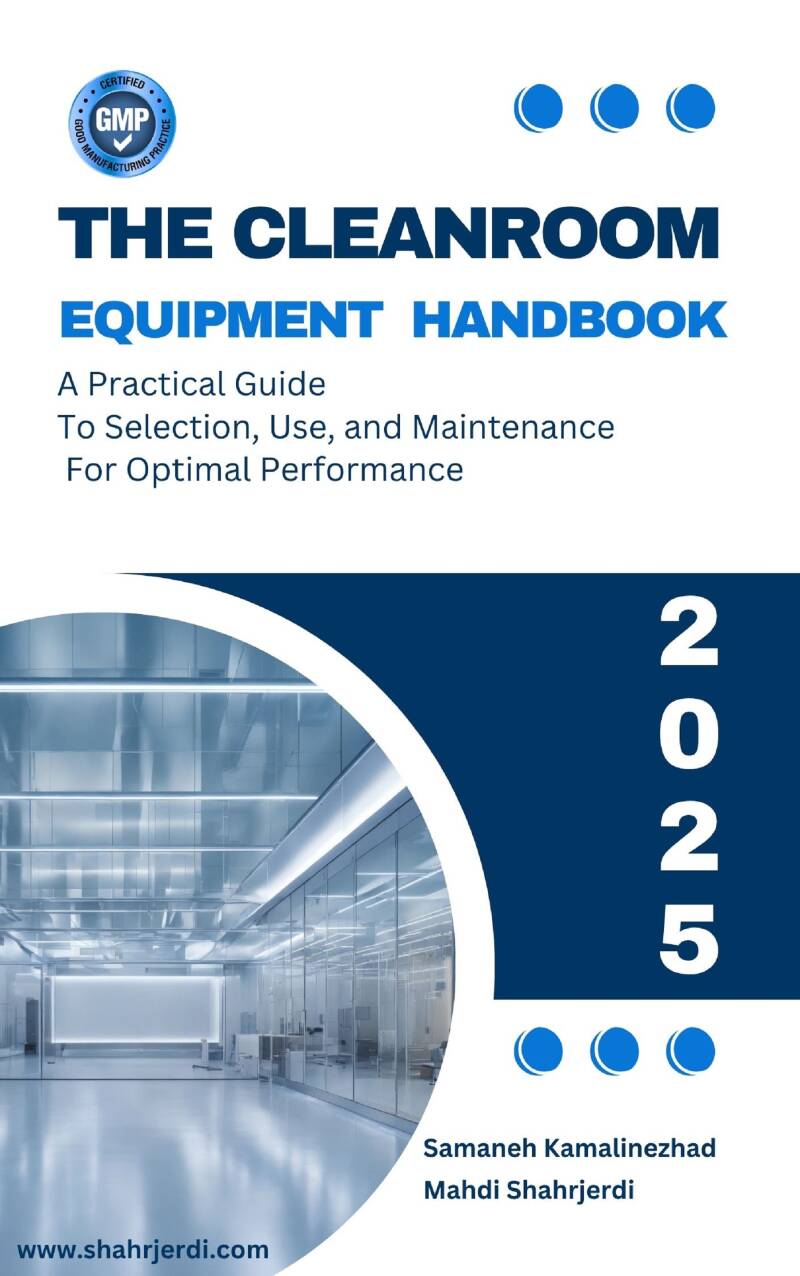
The Cleanroom Equipment Handbook:
A Practical Guide to Selection, Use, and Maintenance
Book Overview & Objectives
In the world of high-precision manufacturing and pharmaceutical research, the integrity of a cleanroom is only as strong as its weakest piece of equipment. The Cleanroom Equipment Handbook is designed as a definitive practical guide for professionals who must navigate the complex landscape of selecting, installing, and maintaining mission-critical hardware.
This work goes beyond theoretical standards, offering a hands-on approach to the lifecycle of cleanroom assets—from HEPA/ULPA filtration units and pass-through cabinets to specialized furniture and monitoring sensors. The primary objective of this handbook is to empower engineers and facility managers with the technical criteria needed to ensure optimal performance, minimize contamination risks, and extend the operational life of their controlled environments. By focusing on the intersection of GMP (Good Manufacturing Practice) compliance and mechanical reliability, this book ensures that every equipment choice contributes to the overall stability and safety of the facility’s scientific or industrial mission.
Table of Contents (Main Chapters)
-
Foundations of Cleanroom Hardware: Understanding the synergy between equipment and environment.
-
Air Filtration & Distribution Units: Selection criteria for Fan Filter Units (FFUs) and terminal filters.
-
Contamination Control Infrastructure: Air showers, pass-through boxes, and gowning room essentials.
-
Specialized Furniture & Materials: Requirements for stainless steel, ergonomic seating, and storage.
-
Monitoring & Calibration Tools: Integrating particle counters, humidity sensors, and pressure gauges.
-
Maintenance & Sterilization Protocols: Best practices for cleaning and preventive maintenance.
-
Regulatory Compliance: Aligning equipment selection with ISO 14644 and EU GMP standards.
Key Highlights & Technical Insights
-
Material Compatibility: Deep dive into the chemical resistance and outgassing properties of cleanroom-grade materials.
-
Optimizing Airflow Dynamics: Engineering strategies to ensure equipment placement does not disrupt laminar flow patterns.
-
Lifecycle Management: Practical frameworks for Total Productive Maintenance (TPM) in controlled environments.
-
Validation & Commissioning (IQ/OQ/PQ): Detailed checklists for ensuring equipment meets performance specifications upon installation.
Target Audience
-
Cleanroom Facility Managers & Maintenance Engineers responsible for daily operations.
-
Procurement Specialists in the Biotech, Semiconductor, and Medical Device industries.
-
Quality Assurance (QA) Professionals focused on contamination control and compliance.
-
Consultants & Architects involved in the detailed specification of high-tech laboratory assets.
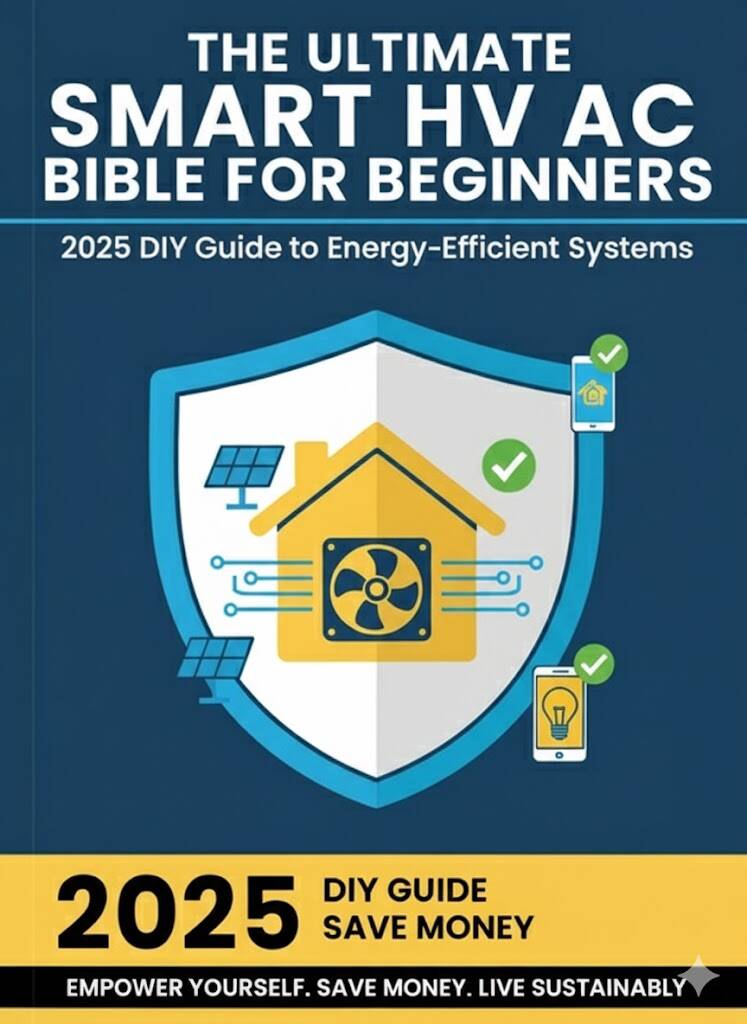
The Ultimate Smart HVAC Bible for Beginners:
2025 DIY Guide to Energy-Efficient Systems
Book Overview & Objectives
Most homeowners view their HVAC system as a "black box"—a complex, expensive, and mysterious machine that only gets attention when it breaks down. The Ultimate Smart HVAC Bible for Beginners is written to change that narrative. Drawing from over 21 years of high-end engineering experience in hospitals and cleanrooms, this guide translates professional-grade wisdom into simple, actionable steps for the everyday user.
The objective of this book is to transform you from a passive consumer into a confident, "smart" homeowner. It’s not just about fixing a leak; it’s about understanding the lungs of your home. You will learn how to drastically reduce energy bills (by up to 75% in some cases), improve indoor air quality for your family’s health, and extend the lifespan of your equipment through proactive DIY maintenance. This book serves as your 2025 roadmap to creating a living space that is energy-efficient, environmentally responsible, and—above all—perfectly comfortable.
Table of Contents (Main Chapters)
-
HVAC Demystified: A simple look at how heating, cooling, and ventilation work together.
-
The Smart Home Revolution: Integrating IoT thermostats and AI-driven climate control.
-
DIY Maintenance Mastery: Seasonal checklists to keep your system running like new.
-
The Energy Efficiency Secret: How to cut costs without sacrificing comfort.
-
Air Quality & Health: Filtering out pollutants, allergens, and invisible threats.
-
Troubleshooting 101: Identifying common issues before calling an expensive technician.
-
Future-Proofing Your Home: Preparing for the next generation of sustainable HVAC tech.
Key Highlights & Technical Insights
-
The 75% Efficiency Rule: Practical optimization techniques derived from industrial-grade projects adapted for home use.
-
Filter Science: Understanding MERV ratings and how to choose the right protection for your family.
-
Thermostat Intelligence: Mastering schedule programming and remote monitoring for maximum savings.
-
BIM-Inspired Home Care: Applying professional "Building Information Modeling" logic to simplify home system management.
Target Audience
-
Homeowners & DIY Enthusiasts looking to take full control of their home environment.
-
New Property Owners who want to avoid costly repair mistakes and save on utility bills.
-
Sustainability Advocates aiming to reduce their household’s carbon footprint.
-
Beginner Tech-Savvy Users interested in smart home integration and automated climate control.
At the edge Of Illumination

Book Overview & Objectives
"At the Edge of Illumination" is a profound departure from the world of structured engineering into the fluid depths of human consciousness and the search for identity. This philosophical narrative explores the concept of "escape"—not just from physical borders, but from the predefined destinies and past identities that confine us.
The objective of this work is to take the reader on an internal journey, navigating the thin line between who we were and who we are becoming. It is a tribute to those who have felt the weight of displacement and the longing for a sense of "home" that transcends geography. Through poetic storytelling and deep existential reflection, this book serves as a beacon for anyone standing at the crossroads of their life, seeking clarity, liberation, and the ultimate source of awareness that lies within.
Table of Contents (Main Chapters)
-
The Anatomy of Escape: Moving beyond physical and mental boundaries.
-
The Silent Journey: A voyage into the depths of human humanity.
-
Shadows of Identity: Navigating the past and the destiny prescribed for us.
-
The Border of Silence: Understanding the stillness born of acceptance.
-
The Source of Radiance: Discovering the light that illuminates darkness.
-
Truth & Liberation: The seamless interweaving of past, present, and future.
-
The Current of Awareness: Becoming one with the source of consciousness.
Key Highlights & Technical Insights
-
Universal Displacement: A deep dive into the psychological experience of carrying one's home in a suitcase.
-
The Architecture of Peace: How a silence born of understanding can disturb the most chaotic environments.
-
Internal Mapping: Using the journey of the protagonist, Ilya, to map the universal human search for meaning.
-
The Source within: The realization that awareness and belonging are internal states, not external destinations.
Target Audience
-
Seekers of Self-Discovery and individuals on a journey of personal or spiritual growth.
-
Readers of Philosophical Fiction who enjoy deep, metaphorical storytelling.
-
Global Citizens who have experienced the complexities of migration, displacement, and new beginnings.
-
Thinkers & Dreamers looking for a narrative that explores the limits of human resilience and consciousness.
Create Your Own Website With Webador